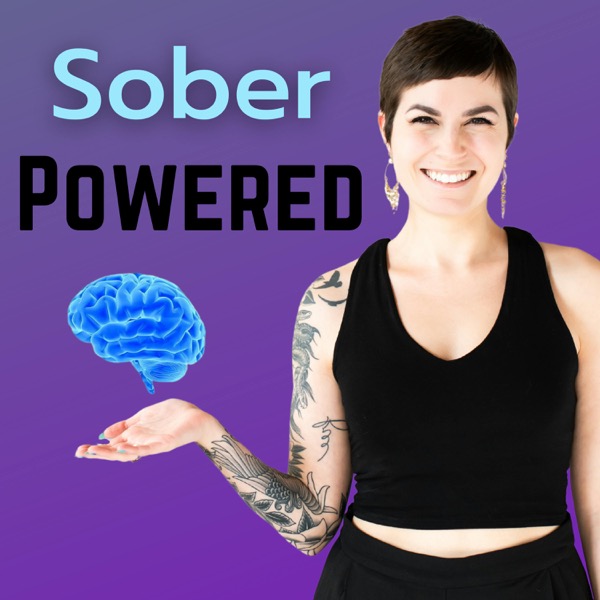
Sober Powered: The Neuroscience of Being Sober
A podcast by Gillian Tietz, MS, CPRC - Vineri
342 Episoade
-
E21: I'm One Year Sober!
Publicat: 13.11.2020 -
E20: Why is it So Hard to Moderate?
Publicat: 06.11.2020 -
E19: Alcohol Use Disorder and Other Mental Health Conditions
Publicat: 30.10.2020 -
E18: My Husband Still Drinks, Here's How We Make it Work
Publicat: 23.10.2020 -
E17: Alcohol and the Heart
Publicat: 16.10.2020 -
E16: Signs I was a Problem Drinker (That I Ignored)
Publicat: 09.10.2020 -
E15: Stigma and Social Death
Publicat: 02.10.2020 -
E14: Nature vs Nurture
Publicat: 25.09.2020 -
E13: SSRIs and Alcohol-Induced Aggression
Publicat: 18.09.2020 -
E12: Why We Blackout From Drinking Alcohol
Publicat: 11.09.2020 -
E11: Why Alcohol Feels Good (Endorphins and Opioid Receptors)
Publicat: 04.09.2020 -
E10: Denial and Dry Drunk Syndrome
Publicat: 28.08.2020 -
E9: From Chronic Day Ones to Forever Sobriety
Publicat: 21.08.2020 -
E8: What to Expect During Withdrawal
Publicat: 14.08.2020 -
E7: Shame
Publicat: 07.08.2020 -
E6: How the Body Processes Alcohol
Publicat: 31.07.2020 -
E5: Sugar Addiction
Publicat: 24.07.2020 -
E4: Drunk Sex is the Worst
Publicat: 17.07.2020 -
E3: Alcohol, Sleep, and Drinking Dreams
Publicat: 10.07.2020 -
E2: Alcohol Cravings. Why does our brain tell us to drink?
Publicat: 03.07.2020
Why do some people stay sober and others relapse back and forth? Getting sober isn’t about restriction, it’s about rewiring your brain to function without intensity, chaos, dopamine spikes, and avoidance. Hosted by Gill Tietz, a former biochemist turned sober coach, this show dives into the neuroscience of long-term sobriety — why some people relapse, why others stay free, and how to build the kind of brain that can handle life without alcohol. Each episode blends science, psychology, and real experience to help you strengthen the four pillars of neuro-resilience: 1. Neural Recovery – healing your brain’s reward and stress systems after alcohol. 2. Emotional Regulation – calming reactivity and learning to feel without escaping. 3. Cognitive Rewiring – changing the thought patterns that pull you backward. 4. Behavioral Integration – designing routines and habits that make being sober your default. Whether you’re newly sober or years in, you’ll learn research-backed tools and mindset shifts so sobriety stops feeling like something you’re trying to want and starts feeling like who you are. This is hard work. If you want my support, then check out my online sober community or my 1:1 work. Website: www.soberpowered.com